Imaging Electronics 101: Machine Vision 용도에 적합한 카메라 센서 이해
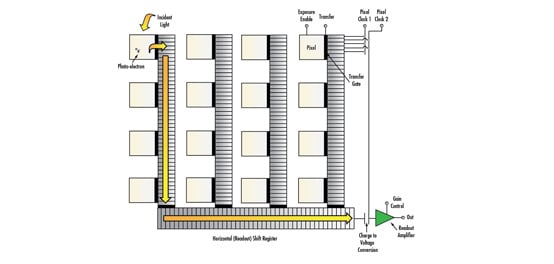
The performance of an imaging system relies on a number of things, including imaging electronics. Before using your imaging system, learn about camera sensors at Edmund Optics.
Imaging Electronics 101: Machine Vision 용도에 적합한 카메라 종류 및 인터페이스
Are you new to imaging or looking for a refresh on camera types? Learn about the advantages to camera types, digital interfaces, and more at Edmund Optics.
Want to learn more about metallic mirror coatings? Find information about standard and custom metallic mirror coatings that are available at Edmund Optics.
Imaging Electronics 101: 보다 개선된 이미징 결과를 위한 디지털 카메라 설정의 기본 사항
Do you want to improve your imaging results? Go back to the basics of camera settings, learn how these important aspects can affect your image at Edmund Optics.
Fluorescence Microscopy를 위한 Fluorophores 및 Optical Filters
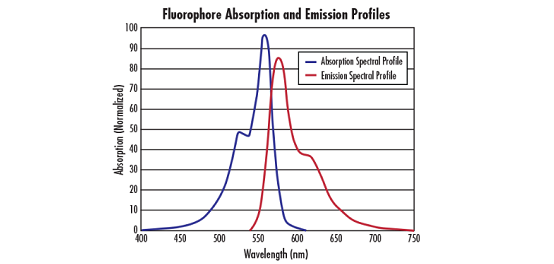
Want to know more about fluorophores and optical filters for fluorescence microscopy? Find out more information and in stock optical filters at Edmund Optics.
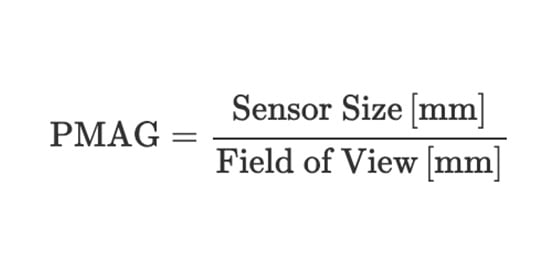
Are you new to imaging and want to learn more about lens magnification? Learn more about lens magnification and other key imaging concepts at Edmund Optics.
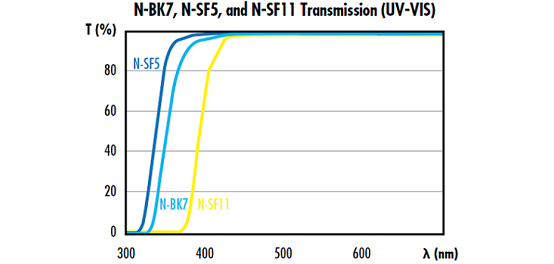
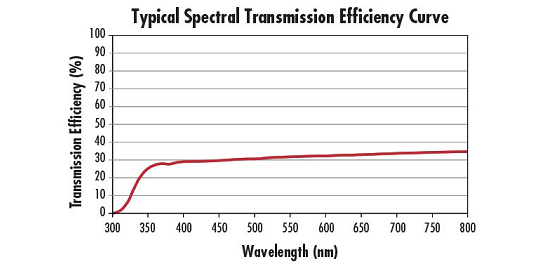
Neutral Density (ND) Filters are designed to evenly reduce transmission. For more information on specifications and products, read more at Edmund Optics.
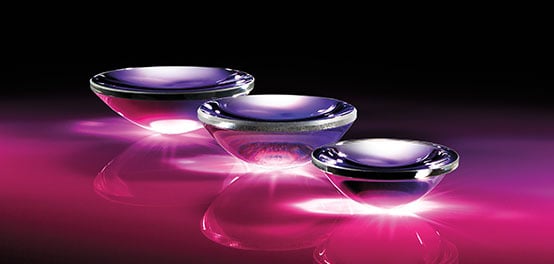
This comparison of the performance of aspheric, achromatic, and spherical PCX lenses in different situations reveals the ideal use cases for each type of lens.
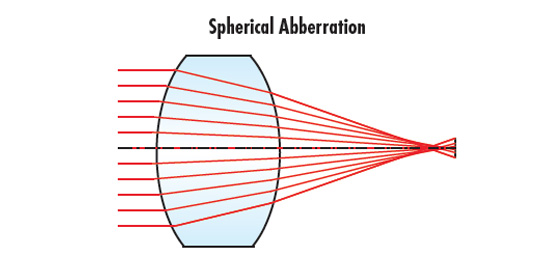
Do you want to understand how a lens works? To do so, you must learn key terms for how the lens functions, including resolution. Find out more at Edmund Optics.
How are ultra-thin filters different from standard optical filters? Discover the unique features and capabilties of ultra-thin filters at Edmund Optics.
Color-corrected optical lenses are ideal for many applications because they reduce multiple aberrations. Learn more about the advantages at Edmund Optics.
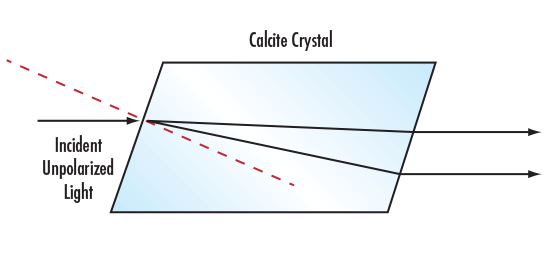
Waveplates (retarders) are different when used in polarized light than unpolarized light. Consider terminology, fabrication, or applications at Edmund Optics.
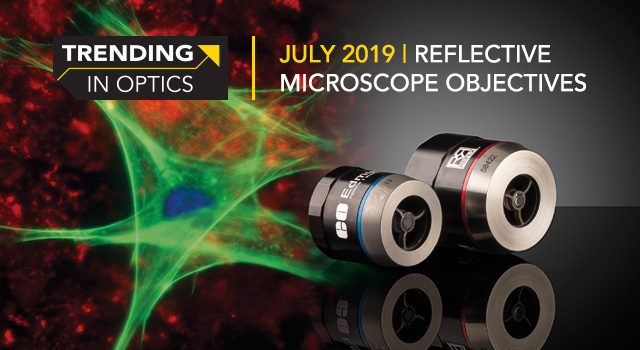
Reflective objectives use mirrors to focus light or form an image. Learn more about the different types and benefits of reflective objectives at Edmund Optics.
Dispersion is the dependence of the phase velocity or phase delay of light on another parameter, such as wavelength, propagation mode, or polarization.
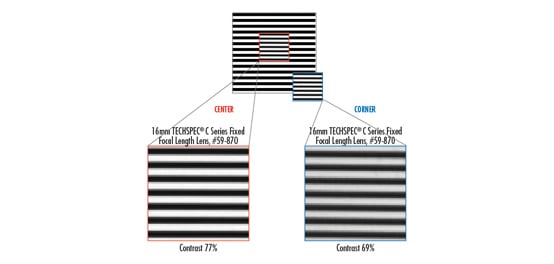
Learn how Edmund Optics maintains optical performance across the entire image plane through this resolution and contrast comparison using our C Series FFL lens.
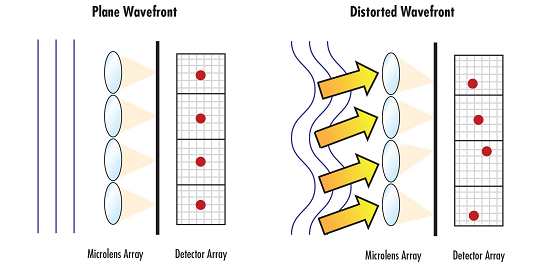
Shack-Hartmann wavefront sensors are used to test the transmitted wavefront error of laser beam expanders, predicting the real-world performance of the beam expander.
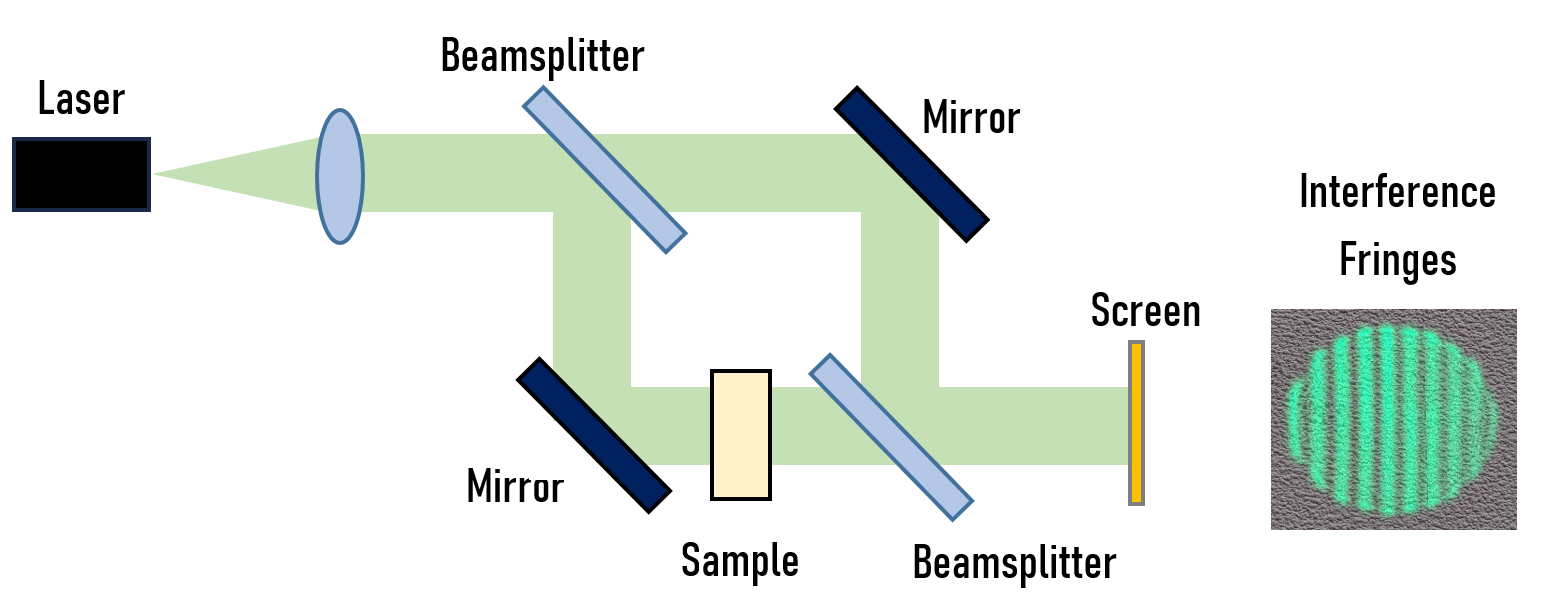
Learn how to assemble, align, and use a Mach-Zehnder Interferometer completely out of off-the-shelf products from Edmund Optics in this detailed guide.
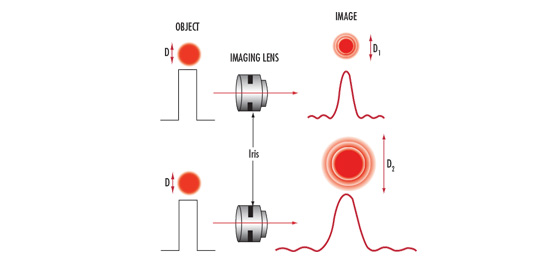
The diffraction pattern caused when light passes through an aperture is called the Airy Disk. Find out how the Airy Disk can impact your image at Edmund Optics.
Please select your shipping country to view the most accurate inventory information, and to determine the correct Edmund Optics sales office for your order.






본사 및 지사별 연락처 확인하기
견적 요청 도구
재고 번호 입력 필요
Copyright 2023, 에드몬드옵틱스코리아 사업자 등록번호: 110-81-74657 | 대표이사: 이준호 | 통신판매업 신고번호: 제 2022-서울마포-0965호, 서울특별시 마포구 월드컵북로 21, 7층 (서교동, 풍성빌딩)
The FUTURE Depends On Optics®